

A high-risk merchant account is a specialized payment processing account for businesses that banks consider riskier than average. In practice, it functions like a regular credit/debit card merchant account, but with extra safeguards.
These accounts are required when a business faces higher-than-normal fraud or chargeback risk. In general, payment processors will categorize merchants by their industry, products, history, and transaction volume. If they deem a business to have “elevated risk factors,” it will need a high-risk merchant account to continue accepting card payments.
This means merchants in high-risk industries must meet stricter underwriting standards, agree to more protective terms, and often pay higher fees to compensate for the extra risk
High-risk merchant accounts are essential for high-risk credit card processing.
They ensure that businesses in challenging verticals — such as adult entertainment or nutraceuticals — can still offer card payments. Without one, a high-risk merchant might be shut out of mainstream payment networks. In short, a high-risk account lets you process payments much like a standard account, but the processor will impose additional measures (like security reserves and thorough vetting) to manage the risk.
Key Features and Characteristics of a High-Risk Merchant Account
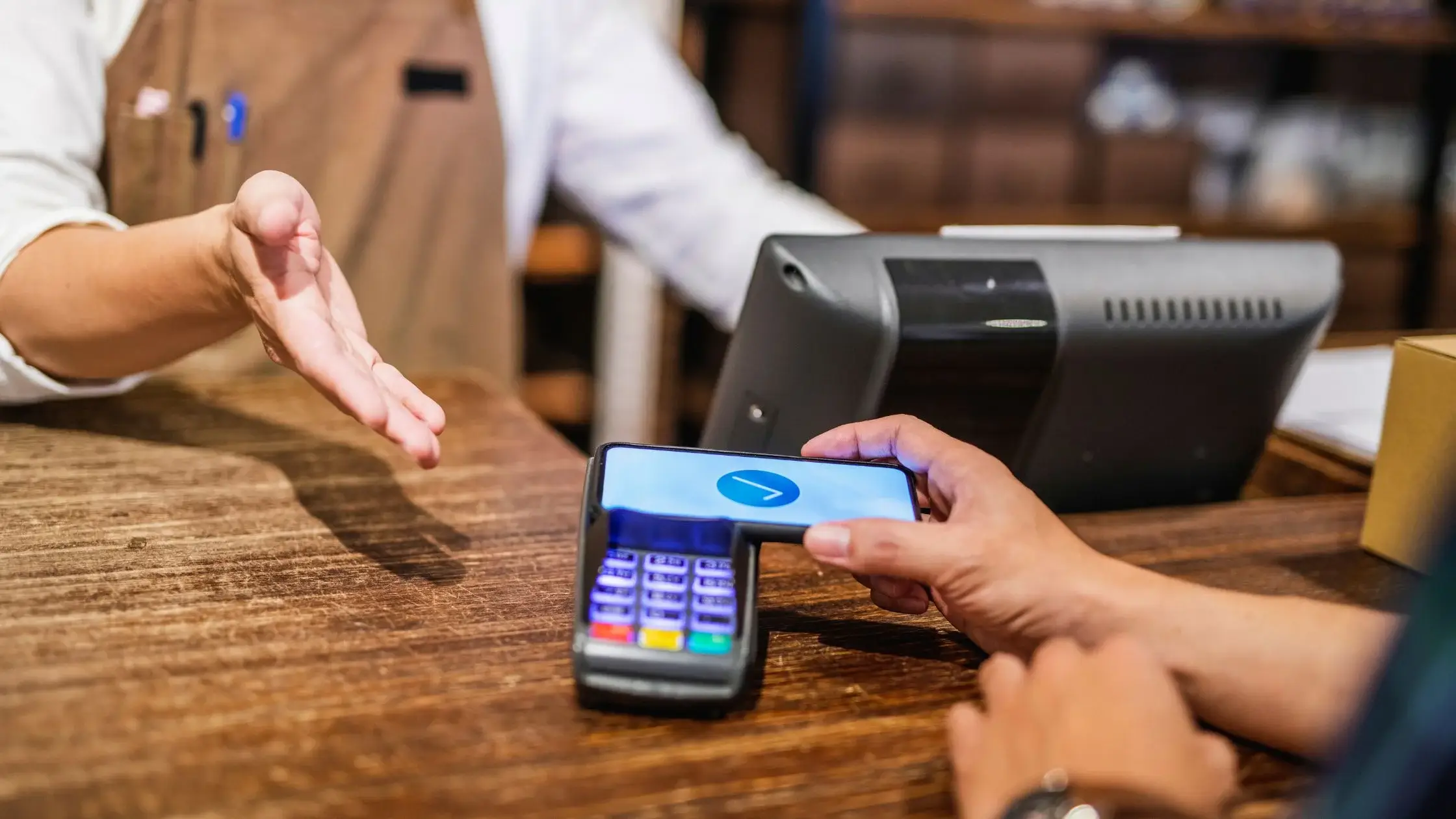
High-risk merchant accounts include features tailored to manage the elevated risks involved. Key characteristics often include:
- Advanced fraud detection: High-risk accounts typically come with sophisticated fraud-monitoring tools. Processors use machine learning and real-time analytics to flag suspicious transactions, reducing losses from fraud and chargebacks.
- Chargeback management: Providers often include automated dispute resolution and chargeback-alert services. By flagging unusual activity early and guiding merchants through dispute processes, these accounts help industries prone to disputes (like digital subscriptions) stay solvent.
- Multiple merchant IDs: High-risk merchants sometimes get multiple Merchant IDs (MIDs) or sub-accounts. For example, a company selling very different product lines (or operating in different countries) can isolate them under separate accounts. This prevents one product’s chargebacks from threatening the entire business.
- Flexible integration and global support: High-risk providers usually support a wide range of gateways, shopping carts, and point-of-sale systems. They often offer multi-currency and international processing, enabling merchants to sell worldwide without hitting lower limits.
- Dedicated support: Many high-risk processors assign specialized account managers or “white-glove” support teams. These experts guide merchants through setup, compliance (e.g. PCI requirements), and ongoing risk issues, which is critical given the complex nature of high-risk industries.
- Higher chargeback tolerance: By design, high-risk merchant accounts allow a higher threshold of disputes than standard accounts. Some providers openly accept that certain industries (like gaming or travel) see more chargebacks, and they build this tolerance into their underwriting.
These features distinguish high-risk accounts from regular merchant accounts and help companies in challenging sectors process payments safely. For a deeper understanding of how specialized payment solutions work for riskier industries, visit our detailed guide on high-risk payment processing.
Who Is Considered a High-Risk Merchant?
Not every business needs a high-risk merchant account. Typically, merchants in certain industries or with certain histories are labeled high risk. Common high-risk industries include:
- Adult entertainment (videos, online dating, novelty stores) – high regulatory scrutiny and chargeback rates.
- Gambling and online gaming – heavy regulation and fraud potential.
- CBD, hemp, and vape products – legal/regulatory issues in many regions.
- Nutraceuticals and supplements – unpredictable product efficacy and compliance requirements.
- Travel and ticketing – high cancellations and chargebacks (think tours, flight bookings).
- Tech support and subscription services – recurring billing models tend to see more disputes.
- Financial services and credit repair – regulatory complexity and volatility.
- E-cigarettes and tobacco products – health regulation and fraud risk.
- High-ticket electronics or jewelry – high fraud risk due to expensive items.
- CBD Hemp Products – often flagged due to shifting regulations.
Alongside industry, several qualifying factors can make any business high-risk:
- Poor financial history or credit. A history of defaults or a low credit score can raise red flags.
- New or thin processing history. Start-ups and entrepreneurs without a track record of card processing (or with inconsistent processing) are often deemed high-risk.
- High chargeback ratios. If your business has many refunds or disputes, processors see that as a risk factor.
- Controversial products or legal gray areas. Even selling legal products (like nutraceuticals) in small markets can trigger high-risk status if laws are unsettled.
- International sales concentration. Businesses relying heavily on cross-border customers can be labeled high-risk due to exchange and compliance issues.
- Frequent industry or legal changes. Sectors prone to sudden regulatory changes (firearms, cannabis, telemarketing) are often preemptively treated as high-risk.
If one payment processor flags your business as high-risk, it doesn’t necessarily apply everywhere. Each provider has its own criteria. However, if you fall into any of the categories above, you should assume you need a high-risk merchant account to get approved and stay compliant.
How High-Risk Merchant Accounts Differ from Standard Accounts?

High-risk merchant accounts generally function like regular merchant accounts but with key differences. Providers take extra steps to manage the added risk. Common distinctions include:
- Extended application process. High-risk applicants must supply more documentation (financials, business plans, licenses, etc.) and undergo detailed underwriting. Providers will scrutinize your processing history, partners, and even personal credit to assess fraud risk.
- Higher processing fees. Because of the risk, transaction fees are significantly higher. While a low-risk retailer might pay 0.3% + interchange, high-risk merchants often pay 1.5% (or more) above interchange. Monthly and setup fees may also apply.
- Reserve requirements. Many high-risk processors hold back a percentage of your sales as a reserve fund or rolling reserve. This serves as a buffer against potential chargebacks or disputes. Some providers cap the reserve at a certain amount (capped reserve) or require an upfront lump sum (upfront reserve).
- Higher chargeback costs. The fee for a chargeback dispute is typically much larger for high-risk accounts, sometimes ranging from $20 to $100 per chargeback. Merchants must also follow stricter dispute-resolution rules.
- Volume and transaction caps. Processors may impose limits on how much you can process in a given period. If you exceed a threshold, your account could be frozen or require review.
- Additional compliance requirements. You may need to implement extra fraud prevention or legal compliance tools. For example, an age-verification system for adult content, or specialized KYC/AML checks for fintech. Processors might not approve your account until you meet these criteria.
In essence, a high-risk payment gateway and merchant account come with greater oversight. Providers mitigate their exposure by enforcing such terms. As Stripe notes, “high-risk merchant accounts come with a unique set of advantages and disadvantages” – including higher costs and stricter terms.
Pro Tip: To explore the key differences and benefits between high-risk and standard merchant accounts, check out our comparison article on high-risk vs standard accounts.
Do You Qualify for a High Risk Merchant Account?
If your business matches the high-risk criteria above, obtaining a high-risk merchant account simply means meeting the provider’s standards. Here are steps to qualify and prepare:
- Understand Your Risk Level. Assess why you might be considered high-risk (industry, chargebacks, etc.) so you can address any concerns upfront.
- Gather Detailed Documentation. High-risk processors often require extensive documents: business licenses, multiple months of bank/processor statements, tax returns, and a solid business plan. Having these ready shows transparency.
- Demonstrate Financial Stability. Show consistent revenue and healthy cash flow. Banks want proof that you can handle losses. A strong balance sheet or savings in reserve can improve your application.
- Implement Fraud Mitigation. Having clear policies to prevent fraud and disputes (like clear refund/return policies and secure payment technologies) helps. Being ready to discuss how you handle chargebacks can reassure providers..
- Choose a Specialized Provider. Seek out merchant services that focus on high-risk merchant services. These providers understand high-risk industries and tailor solutions accordingly. They’ll work with you to find acceptable terms.
- Prepare to Negotiate Terms. Expect higher fees and possibly a rolling reserve. Review any contract carefully and negotiate if possible. Transparency about your needs can help avoid surprises.
- Be Transparent and Compliant. When applying, disclose all aspects of your business honestly. High-risk underwriters conduct thorough reviews; hiding information can lead to denials or later account closure.
If approved, you’ll get an account with terms reflecting your risk profile. If denied, you may need a different provider or more time to build history. But importantly, qualifying for a high-risk account means proving your business is a responsible, stable partner despite inherent risks.
The Benefits of a High-Risk Merchant Account
Why go through the hassle? A high-risk merchant account offers key advantages to otherwise restricted businesses:
- Market Access. High-risk accounts open doors to accept credit/debit cards. Without one, you may only take cash or alternate payments. With card acceptance, you tap into a larger customer base and boost sales.
- Global Sales and Currency Support. Many high-risk processors (including Cathedral Payments) support multiple currencies and international transactions. This helps you sell globally without needing separate accounts in each country.
- Enhanced Security. Providers of high-risk processing typically offer stronger fraud detection, encryption, and compliance tools. They know your industry’s threats and build in extra layers of protection.
- Flexible Underwriting. Some high-risk accounts are designed for businesses with volatile sales. Processors may be more tolerant of uneven income or rapid growth than standard accounts.
- Chargeback Resilience. These accounts accept that chargebacks may be higher. The penalties are accounted for in your fees, allowing you to operate in tough markets without losing access to payments.
In other words, a high-risk merchant account is how high-risk businesses stay in business. It legitimizes your operations in the eyes of banks and card networks. With proper management, the extra costs can be offset by the revenue boost of wider payment acceptance.
Challenges Faced by High-Risk Merchants
Businesses operating with high-risk accounts often encounter operational hurdles that low-risk merchants don’t see:
- Higher processing costs: To offset the extra risk, providers charge significantly higher rates. For example, 2Accept observes that while a low-risk business might pay ~2–3% per sale, a high-risk business often pays 3.9–5% or more. These fees can cut deeply into profit margins.
- Limited provider options: Many mainstream banks and processors simply won’t work with certain industries. High-risk merchants often have only specialized processors to choose from. This lack of competition can drive fees up and service levels down.
- Account holds or closures: High-risk accounts are monitored closely. If your chargeback rate spikes or an unusual pattern emerges, the processor may freeze or terminate your account with little warning. Even a single day without card processing can devastate cash flow. 2Accept notes that merchants sometimes face sudden “account freezes” when risk thresholds are breached.
- Cash-flow strain from reserves: Having a percentage of your revenue locked in reserve for months makes budgeting harder. New high-risk businesses, in particular, can struggle when a large chunk of sales is unavailable until the reserve period ends.
- Rigorous ongoing scrutiny: Underwriting never really stops. You’ll be expected to prove compliance and financial stability continuously. High-risk processors often conduct periodic reviews of statements, and any slip-up (like a compliance lapse or data breach) can invite penalties or account cancellation.
These challenges mean high-risk merchants must be vigilant. Effective fraud control, clear customer policies, and maintaining a low chargeback rate are not optional – they’re critical to keep the account in good standing.
Learn about the specific hurdles businesses face in managing high-risk payment processing and effective strategies to overcome them in our post on common challenges in high-risk payment processing.
Tips for Managing and Maintaining a High-Risk Account
Once you have a high-risk merchant account, ongoing management is crucial to avoid account closure or extra fees. Some best practices include:
- Monitor and Mitigate Chargebacks: Implement a robust chargeback prevention strategy. Use tools like chargeback alerts so you can address disputes immediately. Analyze root causes (e.g. unclear billing descriptors or refund policies) and fix them. Fast response (issuing refunds or evidence submission) can save the sale.
- Employ Strong Fraud Controls: Use advanced fraud filters and authentication. For example, enable Address Verification (AVS), CVV checks, and 3D Secure (like Visa Secure/Mastercard Identity Check). Artificial-intelligence tools can flag suspicious patterns (e.g. multiple cards from one IP). These steps reduce fraudulent transactions and chargebacks.
- Communicate Clearly with Customers: Make your billing descriptor recognizable. Provide clear invoices and easy-to-find refund policies. As Stripe advises, “dynamic descriptors” and transparent communication help reduce confusion and friendly fraud.
- Maintain Compliance and Documentation: Always stay PCI-compliant and up-to-date on any industry regulations. Keep meticulous records of transactions, customer communications, and refunds. These records help you contest chargebacks effectively and prove your business’s integrity during account reviews.
- Manage Your Reserve and Cash Flow: Plan ahead for reserve requirements. Maintain a cash buffer to cover the percentage of sales you can’t access immediately. This avoids surprises when a holdback period ends or if extra funds are withheld.
- Review Terms and Negotiate: Every 6–12 months, revisit your agreement. As your business grows and builds a positive track record, ask your provider about lowering fees or reserve percentages. Some providers will renegotiate terms for proven merchants.
- Use the Right Processing Methods: When possible, leverage alternative methods like ACH/eCheck for large or recurring payments (they often have lower fees and no chargebacks). Some high-risk businesses also accept cryptocurrency, which has no chargebacks.
- Work with Your Provider: Keep open communication with your processor. Report any major changes in your business model or product line. Many high-risk providers offer dedicated account managers. Use their expertise – they can suggest specific risk controls or compliance steps for your case.
Following these tips helps “maintain good business practices” that high-risk processors expect. Stripe’s guidance reinforces this: use alerts, AI fraud tools, detailed analytics, and good record-keeping to proactively manage risk. In short, treat the account as an active risk-management project, not a “set it and forget it” solution.
How to Apply for and Get Approved?
Securing a high-risk merchant account requires preparation and choosing the right provider. Here are some key steps:
- Assess and Improve Controllable Risk Factors: Before applying, address any weaknesses in your business profile. For instance, work on reducing your chargeback rate (through better customer service or fraud checks) and bolster your business credit. As National Processing advises, do what you can to improve factors like your credit score or chargeback history, even if they can’t change overnight.
- Find the Right Processor: Not all “high-risk” accounts are the same. Research providers that explicitly support your industry. Read their lists of supported verticals and ask about exclusions. Ensure they have experience with your kind of business. (Some companies sell “high-risk processing” but still avoid certain sub-sectors.) Choose a processor that offers transparent pricing and has good reviews from similar merchants.
- Prepare Thorough Documentation: High-risk applications demand detail. Gather business licenses, articles of incorporation, and any industry-specific certifications you have. Collect 3–6 months of recent bank statements and processing statements. You may also need profit-and-loss statements and a detailed business plan. Submitting a complete set of documents up front can speed underwriting.
- Be Transparent in the Application: When you meet with the processor (often via consultation call), be honest about your products, sales methods, and history. Hiding risk-related details can backfire; reputable providers prefer to work with the full picture. National Processing emphasizes that being forthcoming lets them match you with banks willing to work with your profile.
- Understand Compliance Requirements: Make sure you can meet the regulatory or security standards for your industry. For example, if you sell health supplements, have your labels and marketing ready; if you handle customer credit cards, have a PCI-compliance plan. Some accounts even require documented AML/KYC procedures or proof of licensing. Demonstrating compliance (like PCI DSS certification) shows you are serious and can speed approval.
In practice, applying means submitting your application, after which the processor will coordinate underwriting (possibly involving a risk assessment and credit check). Approval times vary: NerdWallet notes it could be a few days to a few weeks, depending on documentation and industry complexity.
Choosing a provider experienced with your niche often helps expedite the process. For example, one fast-growing gaming company had a new account set up in 5 business days with a specialist high-risk processor – a task that might take over 30 days otherwise.
Bonus Read: If you want to know how businesses operating in high-risk sectors can optimize payment acceptance and safeguard transactions, read our insights on high-risk payment processing for businesses.
Common Fees and Contract Terms

High-risk merchant accounts come with a variety of fees and strict terms. Common ones include:
- Processing/Transaction Fees: These are almost always higher than standard rates. Providers may charge 3%–7% (or even 3.5%–10% in extreme cases) of each sale. You may also pay a flat fee per transaction (e.g. $0.25). Fee models vary: interchange-plus, tiered, or flat-rate pricing are all used in high-risk deals.
- Setup and Monthly Fees: Many accounts impose a setup fee (often $100 or more) and a monthly account fee ($15–$50 or higher) to cover ongoing risk services. There may also be statement fees, gateway fees, or PCI compliance fees. These administrative charges can add up, so compare them carefully.
- Reserve Holding: As mentioned, expect a rolling or fixed reserve – for example, 5–20% of daily sales held for 90–180 days. This isn’t a fee you “pay,” but it’s money you can’t use until the hold period lapses, which effectively raises your cost of capital. Low-risk accounts rarely have this requirement.
- Chargeback Fees: Each customer dispute usually incurs a fee (commonly $20–$100). Because high-risk businesses dispute more charges, these fees can become a significant expense.
- Early Termination Fees: Almost all high-risk accounts have long contracts (often 1–3 years). If you cancel early, you’ll likely pay a stiff penalty. Even beyond cancellation, many contracts include clauses that impose fees for things like exceeding volume limits or violating contract terms.
Overall, high-risk accounts have much “heavier” financial terms than standard accounts. Stripe’s analysis confirms: high-risk services come with higher setup, monthly, and per-transaction fees and stricter contract requirements. Always read the fine print on any high-risk merchant agreement. Pay attention to all costs – including hidden ones – as well as contract length, exit fees, and reserve policies.
Protect your business from financial losses caused by disputes with expert advice on chargeback protection for high-risk merchants.
Real-World Examples
Consider a few illustrative cases. A mid-sized CBD retailer found that mainstream gateways repeatedly froze its account. By switching to a specialized high-risk processor and adding ACH payments and dedicated fraud monitoring, the retailer not only avoided freezes but increased sales by 29% in three months. In another case, an adult subscription platform plagued by friendly-fraud chargebacks moved to a high-risk gateway. The new processor implemented 3D Secure authentication, AVS checks, and customer verification, cutting chargebacks dramatically while keeping sales flowing.
These stories show that with the right high-risk account and risk-management tools, businesses can overcome the obstacles of their industry. Rather than shutting down payments, high-risk accounts provide a path forward for businesses that standard processors would reject.
Conclusion
A high-risk merchant account is essentially a lifeline for businesses facing extra payment risks. It unlocks payment acceptance for industries or business models that normal merchant accounts won’t handle. In exchange, it brings higher fees, stricter rules, and rigorous monitoring to protect both the processor and the merchant’s own revenue. For entrepreneurs in high-chargeback or regulated fields, a well-chosen high-risk account (with transparent terms and solid support) can be invaluable. By understanding the differences from low-risk accounts, preparing thorough documentation, and actively managing fraud and compliance, a business can maintain a high-risk account successfully. In short, high-risk merchant accounts carry costs, but they also create opportunities: businesses can grow online and reach customers they otherwise couldn’t.
Why Choose Cathedral Payments for High-Risk Merchant Services?
Cathedral Payments specializes in high-risk merchant services and payment processing. We offer tailored solutions and expert support for businesses many banks won’t touch. Key benefits include:
- Tailored Merchant Accounts. We customize accounts to your business model and risk profile. Every high-risk industry has unique needs, and Cathedral designs your account accordingly.
- Cutting-Edge Security. Our platform uses AI-driven fraud detection and multi-layer security protocols. This advanced fraud protection minimizes chargebacks and theft, giving you peace of mind.
- Transparent, Competitive Pricing. Cathedral Payments keeps fees clear and competitive. We eliminate hidden surcharges and offer cost-saving options like zero-fee credit card processing through surcharging.
- Global Payment Gateway. Our high-risk payment gateway supports multi-currency transactions and international customers. Whether you sell locally or globally, Cathedral’s network of top-tier processors ensures smooth processing worldwide.
- Dedicated Support. From onboarding to day-to-day operations, you get a dedicated account manager and 24/7 support. We guide you through integration, compliance, and any issues that arise.
Cathedral Payments has built its reputation on reliable high-risk payment processing. We are known for quick approvals (often in days, not weeks) and for being transparent with terms. As one recent industry roundup noted, Cathedral remains “a top choice for high-risk merchants seeking reliability and success.” Businesses trust Cathedral because we simplify the complexity: offering comprehensive high-risk payment solutions that protect your revenue and help you grow.
Ready to get started? Cathedral Payments makes it easy. Visit our website or contact us to apply for a high-risk merchant account. Our team will walk you through the process, ensuring your business gets the right high-risk payment gateway and merchant services. Partner with Cathedral Payments to accept payments securely, avoid costly surprises, and focus on growing your business.
FAQs
Q1. What is a high-risk merchant account?
A high-risk merchant account is a payment processing account for businesses with higher chances of fraud, chargebacks, or regulatory issues. It allows them to accept card payments but with stricter terms and higher fees.
Q2. Which industries are considered high-risk?
Industries like online gambling, adult entertainment, travel, nutraceuticals, CBD/hemp, high-ticket sales, subscriptions, and businesses with poor credit or international sales are often high-risk.
Q3. How do I qualify for a high-risk merchant account?
Qualification requires a detailed application including business licenses, financials, and transaction history. Transparency and thorough documentation improve approval chances.
Q4. What fees should I expect?
Expect higher transaction fees, setup and monthly fees, chargeback fees, and possibly a rolling reserve where a portion of transactions is held to cover risks.
Q5. What is a high-risk payment gateway?
It’s a payment gateway designed for high-risk businesses, offering enhanced security and fraud prevention to safely process transactions where traditional gateways may decline service.