
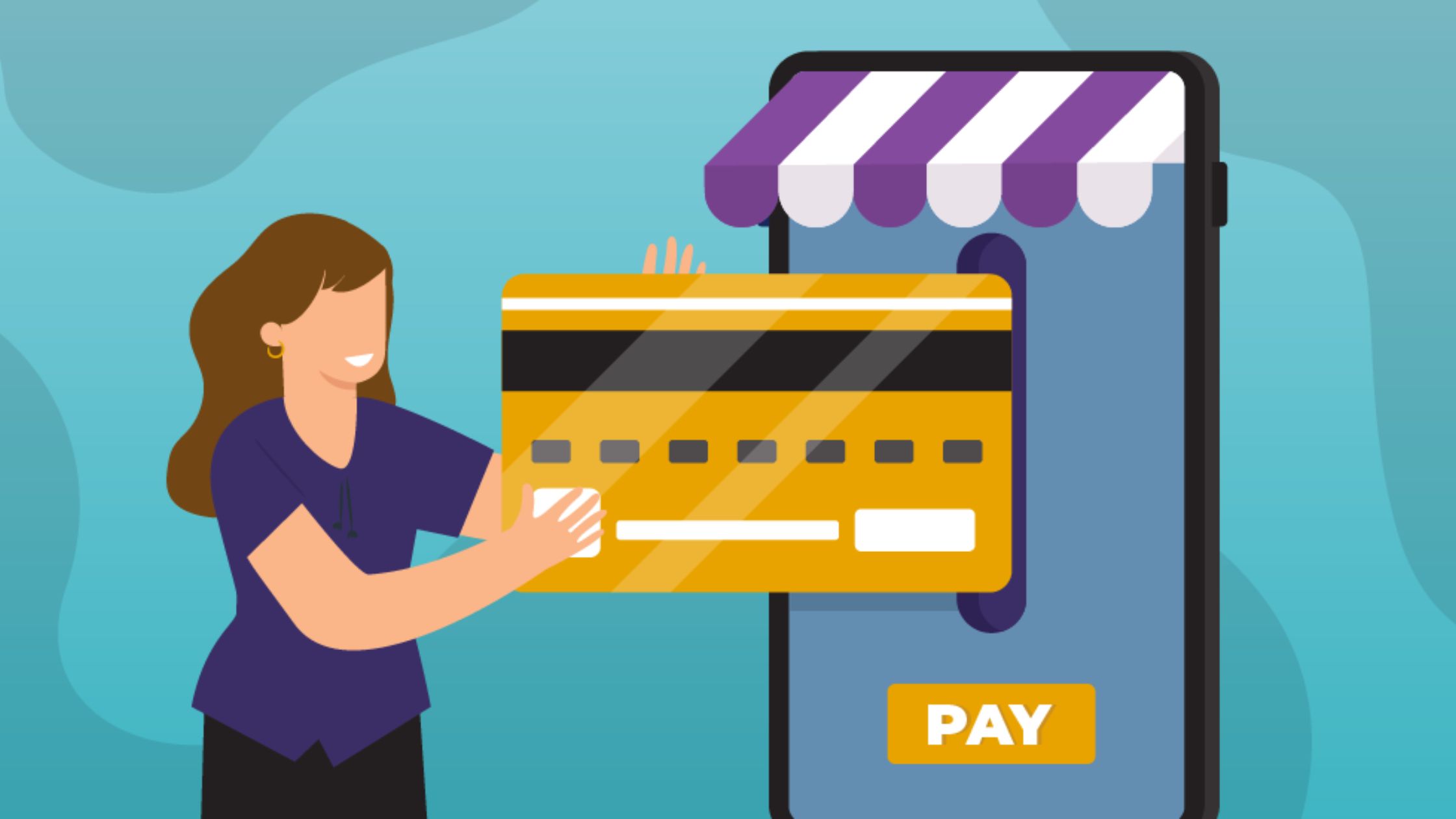
For subscription-based businesses, the best online payment gateways offer robust recurring billing, strong security (PCI compliance, fraud detection, and chargeback protection), and easy integration. In the USA, top payment gateway choices include:
- Stripe – Developer-friendly platform with advanced subscription billing tools and APIs.
- PayPal – Widely adopted solution offering quick setup for recurring payments and a trusted consumer digital wallet.
- Authorize.Net – Reliable traditional gateway that works with your merchant account, featuring automated recurring billing and an advanced fraud detection suite.
- Recurly – Specialized subscription management platform that complements gateways with intelligent dunning (retry) tools to reduce churn and support multiple processors.
- Braintree – All-in-one gateway (a PayPal subsidiary) with built-in recurring billing and seamless PayPal integration, plus support for credit cards and digital wallets.
- Cathedral Payment – Comprehensive payment gateway solution (notably friendly to high-risk industries) offering secure recurring payments, fraud control, and seamless integration for subscription businesses.
Each of these platforms supports automated recurring billing and secure online payments, making them well-suited for U.S. businesses that rely on subscription revenue. Below, we’ll compare these gateways and key factors like recurring billing features, merchant account setup, security compliance, fraud prevention, and integration ease to help you choose the best solution for your subscription-based business.
What to Look for in a Subscription Payment Gateway
Choosing a payment gateway for a subscription business involves evaluating specific features and capabilities that go beyond standard one-time transaction processing. Key factors include:
- Robust Recurring Billing – The gateway should effortlessly handle recurring billing cycles (weekly, monthly, yearly, etc.), automate invoice generation, and allow flexible subscription plans (including free trials or usage-based billing). This ensures reliable customer retention by charging subscribers on schedule without manual intervention.
- Merchant Account Setup – Understand whether the gateway is a payment processor or requires a separate merchant account. Some providers (like Stripe or PayPal) are payment aggregators that handle the merchant account for you, simplifying setup. Others (like Authorize.Net or certain high-risk gateways) may require you to have your own merchant account or offer an all-in-one option. An all-in-one gateway acting as both the processor and merchant account can speed up onboarding, whereas a separate merchant account might offer more control over funds and stability.
- Security and PCI Compliance – Ensure the gateway is PCI compliant and offers features like tokenization (storing card data securely), encryption, and support for 3D Secure authentication. Compliance with PCI DSS standards is critical to protect sensitive payment data. Top gateways are all PCI Level 1 compliant, which significantly reduces your burden in safeguarding card information. By using tokenization and hosted payment fields, these gateways keep card data off your servers, helping maintain security and compliance.
- Fraud Detection & Chargeback Protection – Subscription models can be targets for fraud and disputed charges. Look for built-in fraud detection tools (like machine learning fraud scoring, velocity filters, or custom rule settings) to flag suspicious transactions automatically. Advanced gateways offer chargeback protection or at least chargeback alerts and management tools to help you respond to disputes. For example, some providers (e.g. Stripe) even offer optional chargeback insurance for a fee. Authorize.Net provides an Advanced Fraud Detection Suite, and PayPal includes basic seller protection on eligible transactions. These features can save your business money and protect your reputation by preventing fraudulent transactions and reducing costly chargebacks.
- Multiple Payment Methods – The gateway should support a variety of payment methods important for eCommerce payments. This includes all major credit and debit cards, but also alternatives like ACH (bank transfers), and digital wallets (PayPal, Apple Pay, Google Pay, etc.) to cater to customer preferences. Supporting multiple payment options can improve conversion rates and client satisfaction, as subscribers can use their preferred payment method easily.
- Integration and Ease of Use – Seamless integration with your website, app, or subscription management software is vital. The best gateways offer well-documented APIs, SDKs, or plug-and-play modules for popular eCommerce and subscription platforms. This reduces development time and ensures your payment system works smoothly with your existing tech stack. For instance, Stripe is known for its extensive API and developer tools, while PayPal and Braintree provide ready-made checkout widgets and easy integration on popular platforms. Make sure the gateway also provides a user-friendly dashboard for managing subscriptions, and consider whether it offers features like customer self-service portals or webhooks that notify your system of billing events.
- Customer Retention Tools – Beyond processing payments, gateways can help with customer retention by minimizing involuntary churn. Features such as automatic payment retries on failure, customizable dunning (email reminders for expiring cards or failed charges), and account updater services (which update expired card details) are extremely valuable. Leading subscription billing services (like Recurly or Stripe Billing) include these kinds of tools to keep subscribers active. Gateways that support sending notifications for upcoming charges or expiring cards help keep customers informed, reducing surprises and disputes. Ultimately, these retention-focused features maintain your recurring revenue stream and subscriber satisfaction.
By considering these factors, you can identify a payment gateway that not only processes transactions but actively supports the recurring revenue model of your business with reliability, security, and flexibility.
(For a complete walkthrough on implementing payment gateways and ensuring secure transactions, see our Payment Gateways Step-by-Step Guide for detailed instructions.)
Top Payment Gateways for Subscription-Based Businesses (Comparison)
Below we compare some of the best payment gateways for subscription and recurring billing, highlighting how each addresses the needs of U.S. subscription businesses in terms of features, security, and ease of use.
Stripe – Developer-Friendly Subscription Platform
Stripe is often a top choice for subscription-based companies due to its powerful subscription billing tools and modern integration options. Stripe provides an all-in-one solution (it’s both a payment gateway and a processor/merchant account provider) with a strong focus on developer experience and customization.
Key Subscription Features: Stripe Billing (an add-on to Stripe) enables automated recurring charges, subscription plan management, free trial handling, metered billing, and invoice generation. It also offers a customer portal for subscribers to manage their payment methods or plans. Stripe’s analytics dashboard provides metrics like Monthly Recurring Revenue (MRR), churn rate, and other KPIs useful for subscription businesses.
Security and Compliance: Stripe is a PCI Level 1 compliant service, using tokenization and encryption so that sensitive card data never touches your servers. It comes with Stripe Radar, a built-in fraud detection system that uses machine learning to block suspicious activity. Stripe also offers Chargeback Protection as an optional service (for an extra 0.4% fee per transaction) which guarantees you won’t be liable for fraudulent chargebacks. Standard dispute management is included (Stripe charges a $15 dispute fee, waived if you win the dispute).
Integration: Stripe is renowned for its excellent API and documentation. Developers can easily integrate Stripe with websites or mobile apps for custom checkout experiences. For non-developers, Stripe offers pre-built solutions like Stripe Checkout and no-code integrations with platforms like Shopify, WooCommerce, and others. Its ease of integration and extensive library of integrations make it very flexible. Keep in mind, Stripe’s subscription features are powerful but come at a small additional cost – after your first $1M in recurring charges, Stripe Billing applies a 0.5% fee on recurring transactions. Despite that, Stripe’s rich feature set and scalability make it ideal for growing subscription businesses that need customization and robust tools.
PayPal – Ubiquitous and Easy for Recurring Payments
PayPal is a household name and a convenient option for businesses looking to offer subscriptions, especially to consumer audiences. As a payment gateway and processor combined, PayPal lets your customers pay using their PayPal account balance, linked bank, or credit cards, with broad recognition and trust.
Key Subscription Features: PayPal offers a straightforward way to set up subscription payments through its PayPal Subscriptions or recurring payments feature. Merchants can create subscription plans in their PayPal business dashboard and embed subscription checkout buttons on their site. This simplicity means even non-technical users can start accepting recurring payments quickly. PayPal handles the recurring charge schedule once the subscriber agrees to a plan. However, customization is somewhat limited compared to dedicated subscription platforms; it’s geared toward simplicity. For more advanced needs (like complex pricing models or trials), businesses might integrate PayPal via platforms like Braintree or others.
Security and Compliance: PayPal is also PCI compliant and well-known for its security. Transactions are processed on PayPal’s servers, keeping customer financial details off your site. PayPal provides fraud detection and Seller Protection on eligible transactions to guard against certain chargebacks (primarily for physical goods). While Seller Protection doesn’t typically cover “service” or “subscription” disputes, PayPal’s risk algorithms do help filter fraudulent payments. PayPal will manage many fraud risks on its side, which can be convenient for merchants who don’t want to fine-tune fraud settings themselves.
Integration: One of PayPal’s strengths is its ubiquity and ease of integration. You can add a PayPal Checkout or Subscribe button to your site with minimal effort, and it’s supported by virtually every e-commerce platform and shopping cart out of the box. PayPal does not charge monthly fees for standard services, making it cost-effective for small businesses. Keep in mind that PayPal by itself can be limiting if you want to offer credit card checkouts without redirecting to PayPal’s site; many businesses therefore offer PayPal as one of multiple payment options (for example, allowing card payments via another gateway like Stripe, and also a PayPal option for those who prefer it). In sum, PayPal is an excellent supplement to your payment system and can serve as a primary subscription gateway if you need a quick, trusted solution with global reach.
Authorize.Net – Trusted Gateway with Advanced Tools
Authorize.Net is one of the oldest and most trusted payment gateways in the industry (now a Visa solution). It’s a popular choice for businesses that want a reliable gateway with the option to use their own merchant account or an all-in-one service. Many subscription businesses have used Authorize.Net for its stability and feature set tailored to recurring payments and security.
Key Subscription Features: Authorize.Net supports recurring transactions through its Automated Recurring Billing (ARB) feature. ARB allows you to create and manage subscription profiles either via the Merchant Interface or the API. You can set billing intervals (monthly, quarterly, etc.), trial periods, and duration of payments. While not as flexible as Stripe Billing or Recurly in terms of complex subscription logic, it covers the essential needs for fixed-amount recurring billing. Authorize.Net also provides a Customer Information Manager (CIM) which securely stores customer payment details for reuse, useful for managing subscriptions without re-entering card info.
Security and Fraud Protection: Security is a strong point for Authorize.Net. It offers tools for PCI compliance, including hosted payment forms and tokenization through CIM. It also includes an Advanced Fraud Detection Suite – a set of customizable fraud filters (such as velocity controls, IP filtering, transaction amount triggers, etc.. This allows businesses to fine-tune their fraud settings to reduce fraudulent charges. Additionally, you can configure email alerts for suspicious transactions. Chargeback management is supported in that you get notifications and a case management interface, but unlike some newer providers, there’s no chargeback guarantee – you’ll handle disputes as with any traditional processor. Keep in mind Authorize.Net acts strictly as a gateway; if using your own merchant account, chargeback fees and rules depend on your acquiring bank.
Integration and Use: Authorize.Net can be integrated via APIs (XML or JSON API, and SDKs for various languages) and is supported by a vast array of third-party software (from billing systems to shopping carts). Because it’s been around for decades, most eCommerce platforms and subscription management tools offer built-in support for Authorize.Net. Businesses that already have a merchant account may plug Authorize.Net as the gateway to leverage their existing banking relationship. If you don’t have a merchant account, Authorize.Net’s all-in-one option lets you sign up easily and use their partnered merchant account.
Cost: Authorize.Net typically charges a $25 monthly gateway fee (on top of processing rates) for its services. In the all-in-one plan, the processing fee is around 2.9% + 30¢ per transaction (similar to Stripe/PayPal rates, whereas gateway-only users pay their merchant account’s rates plus a small per-transaction fee to Authorize.Net. This monthly fee means for smaller businesses, Authorize.Net could be slightly more expensive than pay-as-you-go providers like Stripe. However, for businesses with higher volume or those requiring its specific tools, the reliability and features can justify the cost. Overall, Authorize.Net is a solid choice if you need a proven gateway with advanced fraud tools and you either already have a merchant account or prefer a more traditional payment setup.
Recurly – Subscription Management Powerhouse
Recurly is not a payment gateway in the traditional sense, but rather a subscription management platform that works alongside payment gateways and processors. It’s designed specifically for subscription-based businesses (SaaS, digital media, subscription boxes, etc.) to handle the complexities of recurring billing. If managing subscriptions (rather than just processing payments) is a challenge, Recurly can be layered on top of your payment processing to automate and optimize that process.
Key Subscription Features: Recurly shines in advanced subscription features and customer retention strategies. It automates recurring billing with support for multiple subscription plans, add-ons, coupons, free trials, upgrades/downgrades, and proration. Recurly’s platform will handle billing cycles, send invoices or receipts to customers, and even manage dunning processes (retrying failed payments using smart retry schedules, and sending collection emails to update payment info). These tools significantly reduce involuntary churn and ensure revenue continuity. Recurly also provides analytics on churn, lifetime value, and other subscription metrics. Notably, Recurly supports account updater services to automatically refresh expired or replaced card details (when supported by the card networks), further safeguarding your recurring revenue.
Integration and Gateway Compatibility: Recurly is built to be gateway-agnostic and can connect with many popular payment gateways or merchant accounts. For example, you can use Recurly with Stripe, Braintree, Authorize.Net, or others as the underlying processor. This flexibility means you can switch processors or use multiple gateways through Recurly’s interface (even routing transactions based on certain criteria, such as currency or region, if needed). Recurly essentially becomes your central hub for subscriptions, and it passes transactions to the payment gateway of your choice in the background. It offers APIs and language libraries, as well as a hosted checkout option and an admin interface to manage customers. Initial setup might be more involved than a simple gateway, but Recurly provides extensive documentation and support for integration.
Security and Compliance: Recurly is PCI Level 1 compliant and emphasizes security. It uses tokenization so that your servers never see raw card data. While Recurly itself handles subscription logic, the actual payment processing still goes through a gateway that will have its own fraud tools. Recurly does offer some fraud prevention settings and works in tandem with gateway features. Additionally, Recurly can work with third-party fraud prevention services for more sophisticated needs, and it supports 3D Secure for SCA compliance in relevant markets.
Use Case: Medium to large subscription businesses, or any company that finds it has outgrown the basic subscription features of a standard gateway, might consider Recurly. It does come at an extra cost (Recurly charges its own fees, typically a monthly subscription plus a small percentage of revenue on higher plans). However, the ROI can be seen in improved customer retention (through fewer failed payments) and time saved managing subscriptions. Some businesses use Recurly in combination with a simpler gateway that lacks robust subscription features — effectively supercharging the gateway with Recurly’s capabilities. In summary, Recurly is an excellent solution for subscription management if you need more than what a standard payment gateway provides, but it’s usually layered onto one of the other gateways listed here to actually process the payments.
Braintree – Flexible Gateway with PayPal Integration
Braintree is a full-stack payment platform owned by PayPal, offering both a payment gateway and payment processing (merchant account). It is particularly attractive for subscription businesses that want flexibility and multiple payment options for customers, including a deep integration with PayPal itself. Braintree’s feature set is very comparable to Stripe in many ways, making it another top choice for recurring payments.
Key Subscription Features: Braintree supports recurring payments natively – merchants can set up subscription plans via the Braintree Control Panel or API without any additional services or fees. You can specify billing intervals, trial periods, and even limited-cycle payment plans easily. Once a customer is subscribed, Braintree will automatically charge them per the schedule and allow you to manage subscriptions (change plan, cancel, etc.) through the API or dashboard. Braintree also provides a Vault to securely store customer payment details, facilitating one-click future charges and subscription renewals. Additionally, it has features like Account Updater (to auto-update expired cards) and supports webhooks for events like failed payments, which you can use to trigger dunning emails or other actions. Essentially, Braintree covers the bases for subscription management, though it may not have the deep analytics or complex invoicing features of a specialized tool like Recurly.
Payment Methods and Integration: One of Braintree’s standout advantages is its support for a wide array of payment methods out-of-the-box. It accepts all major credit cards, PayPal (since Braintree can seamlessly integrate PayPal transactions), digital wallets like Apple Pay and Google Pay, and even options like Venmo in the U.S. This means you can offer your subscribers many ways to pay through a single integration. Braintree’s integration options are flexible: you can use their Drop-in UI for a quick checkout form or build a custom UI with their SDKs. Many developers praise Braintree’s API, and it’s supported in multiple languages similar to Stripe. Importantly, because Braintree gives each merchant their own merchant account (rather than aggregating like Stripe does), some businesses find it offers greater account stability and potentially faster settlements (funds typically settle to your bank in 2 days). According to Braintree, having a dedicated merchant account can reduce random account freezes and provides more direct control.
Security and Fraud Tools: Braintree is PCI DSS Level 1 compliant and, like others, uses tokenization to handle card data securely. It provides fraud protection tools and will also allow integration of third-party fraud solutions if desired. Braintree supports 3D Secure 2.0 for additional customer authentication when needed. Moreover, because Braintree merchants can also accept PayPal, they indirectly benefit from PayPal’s fraud detection for those transactions, and customers have the option of PayPal’s buyer protection on that side. Braintree’s fraud tools include basic anti-fraud filters, and merchants can enable advanced fraud services (like Kount integration) via the Braintree interface if needed.
Considerations: Braintree’s pricing is on par with Stripe (around 2.9% + $0.30 per transaction for cards). There is no monthly fee for Braintree’s standard service, which is great for businesses of all sizes. A subtle difference: Stripe charges extra for certain billing features, whereas Braintree’s recurring billing feature does not cost extra beyond normal fees. This makes Braintree very appealing if you want to avoid that additional percentage for subscription management. On the other hand, Stripe’s tooling and ecosystem are a bit more expansive. Also note, Braintree (and PayPal) generally do not support high-risk industries – in fact, Braintree explicitly will not onboard certain high-risk businesses. If your subscription business falls into a high-risk category (e.g. certain financial services, adult content, supplements, etc.), you may need to use a specialized provider instead. Overall, Braintree is an excellent gateway for subscription businesses that want flexibility, PayPal integration, and a developer-friendly platform similar to Stripe. It’s especially strong if you plan to offer PayPal as a payment method within your own checkout, since Braintree makes that seamless.
Cathedral Payment – All-in-One Solution with High-Risk Support
Cathedral Payment is a newer entrant tailored for businesses seeking a secure, all-in-one payment gateway with an emphasis on personalized service and support for even high-risk industries. As a U.S.-based provider, Cathedral Payment combines payment gateway functionality with merchant services, aiming to simplify payments for businesses that require recurring billing. It’s particularly relevant if your subscription-based business operates in an industry that traditional processors might label as high-risk, or if you value having a dedicated team to help manage your payment processing needs.
Key Features: Cathedral Payment offers the ability to accept payments online (and even in-person or via mobile, if needed) through a unified gateway. For subscription businesses, Cathedral Payment supports recurring transactions, meaning you can set up customers with automatic billing cycles much like you would in other gateways. They provide a merchant dashboard to manage transactions, view reports, and configure recurring billing for your subscribers. The platform emphasizes seamless integration, allowing you to plug the Cathedral Payment gateway into your website or app with minimal friction (supporting popular eCommerce platforms and custom API integration). A major benefit promoted by Cathedral is reducing the need for multiple providers – they strive to be a one-stop solution so you don’t need separate gateway, processor, and risk management services.
Security and Fraud Control: Security is a core focus for Cathedral Payment. The gateway is PCI-compliant and employs best practices like data encryption and tokenization for handling payment data. For fraud detection, Cathedral Payment includes robust fraud control tools to monitor transactions and flag or block suspicious activity in real time. This is critical for high-risk industries, which often see higher fraud and chargeback rates. Cathedral likely provides customizable fraud filters and works closely with merchants to fine-tune settings (given their emphasis on service). They also assist with chargeback management and mitigation strategies – an important feature for subscription businesses, as it helps maintain your chargeback ratio and merchant account in good standing. By offering chargeback protection measures (such as alerts or even mediation with banks), Cathedral Payment helps subscription businesses preempt disputes before they become revenue losses.
High-Risk and Compliance: A distinguishing factor for Cathedral Payment is its accommodation of high-risk merchants. Payment gateways like Stripe or Braintree tend to avoid high-risk, which can leave certain subscription businesses (for example, in industries like nutraceutical subscriptions, adult services, or any business with higher chargeback incidence) without a reliable processing partner. Cathedral Payment specializes in underwriting and supporting these businesses, ensuring they remain PCI compliant and adhere to regulations while still being able to process recurring payments. They offer guidance to high-risk merchants on compliance requirements and fraud prevention, serving as a partner in maintaining a sustainable subscription model under stricter conditions.
Integration and Support: Cathedral Payment prides itself on professional, hands-on support for business owners and operators. When integrating their gateway, you can expect guidance whether you’re using a major eCommerce platform or a custom setup. The goal is to make integration as easy as possible so you can start accepting recurring payments quickly. They provide APIs and likely have plugins for common shopping carts or billing systems. Since Cathedral Payment is a full-service provider, you also get consultation on optimizing your payment setup – for instance, setting up descriptors to help reduce “friendly fraud” (when customers don’t recognize a charge), or configuring recurring billing intervals optimally. Cathedral Payment’s model is to be a partner in your growth, which can be a big plus if you prefer more personalized service rather than a do-it-yourself portal.
In summary, Cathedral Payment is a compelling option for subscription-based businesses that need an all-in-one gateway with a strong emphasis on security, fraud prevention, and potentially high-risk merchant acceptance. It combines many of the features of the above platforms – recurring billing support, PCI compliance, and ease of use – with the added benefit of tailored support and high-risk expertise. U.S. businesses looking for a trustworthy, full-service payment partner might find Cathedral Payment to be the best fit, especially if they’ve struggled with mainstream providers in the past.
Security, Compliance, and Fraud Protection in Subscription Payments
When managing recurring payments, subscription businesses must place a premium on security and compliance. Customer trust and long-term retention can quickly erode if payment data is mishandled or fraud issues arise. Here are some key points on compliance and fraud protection:
- PCI DSS Compliance: All payment gateways discussed (Stripe, PayPal, Authorize.Net, Recurly, Braintree, Cathedral Payment) adhere to PCI DSS (Payment Card Industry Data Security Standards) at the highest level. This means they implement stringent security measures such as encryption of data in transit and at rest, regular security audits, and network safeguards. By using a PCI-compliant gateway, your business offloads most of the burden of protecting cardholder data. Ensure that any gateway you choose provides a hosted payment solution or tokenization so that sensitive card details never touch your server. This drastically reduces the scope of your own PCI compliance obligations while keeping transactions secure.
- Fraud Detection Tools: As mentioned earlier, robust fraud detection is a must for subscription payments due to the ongoing nature of charges. Leading gateways come with built-in fraud screening. For example, Authorize.Net offers customizable fraud filters, Stripe uses Radar AI to analyze transactions, and Braintree/PayPal incorporates tools like 3D Secure and allows rules to block suspicious behavior. Look for features such as geolocation checks, velocity limits (to prevent card testing attacks), CVV/AVS verification, and device fingerprinting. Some providers enable you to adjust the sensitivity of fraud rules or integrate third-party solutions for added layers. This can help prevent fraudulent sign-ups that could lead to chargebacks down the road.
- Chargeback Prevention & Management: Chargeback protection goes hand-in-hand with fraud prevention. Subscription businesses often face friendly fraud chargebacks (customers forgetting a subscription and disputing the charge). Gateways that assist in this area can save money and hassle. Key tools include sending clear billing descriptors (so the charge name is recognizable), email reminders to customers before a recurring charge hits, and easy cancellation mechanisms. Some gateways offer real-time chargeback alerts or even automated dispute handling support. For instance, Stripe’s chargeback protection (for a fee) will cover the cost of fraudulent chargebacks, and PayPal’s Seller Protection can cover certain disputes. Cathedral Payment and other high-risk focused gateways often provide hands-on chargeback consulting, helping merchants contest disputes effectively and implement practices to reduce chargeback rates. Always monitor your chargeback ratio; staying below 1% is typically required by banks to keep your merchant account healthy. A gateway with good dispute dashboards and chargeback alerts will help you stay proactive.
- Regulatory Compliance: Ensure the gateway supports any specific compliance needs of your industry or region. For U.S. businesses, this might include handling of sales tax for subscriptions (some platforms like Recurly and Stripe Billing can automate tax calculations), compliance with recurring billing laws (like offering easy cancellation per FTC regulations), and for certain sectors, ensuring adherence to regulations such as HIPAA (healthcare subscriptions) or GDPR if you have EU customers. While not directly part of the payment gateway’s scope, many gateways provide features or add-ons that assist with compliance, for example, storing only necessary data, obtaining proper authorization for recurring charges (such as requiring checkbox agreements), etc.
In essence, the best payment gateways help you mitigate risk. They safeguard card data, help block fraudulent transactions, and give you tools to manage disputes. By choosing a gateway with strong security and fraud protection, you protect not only your customers’ data but also your business’s revenue and reputation.
Ease of Integration and Platform Compatibility
For a subscription business, integrating the payment gateway smoothly into your website or app (and any other systems) is crucial for operational efficiency. A few integration considerations include:
- Plugins and APIs: If you’re using a popular eCommerce or subscription management platform (Shopify, WooCommerce, Magento, WordPress membership plugins, etc.), check if the gateway has an official plugin or is supported natively. For instance, Stripe and PayPal/Braintree have wide platform support, as does Authorize.Net, given its long presence. This can significantly cut down development time, as you might just need to configure the plugin and not write code from scratch. If you have a custom solution, look for gateways with clean, well-documented APIs (REST/JSON or GraphQL). Stripe and Braintree are famous for their easy-to-use APIs and extensive documentation, making custom integration straightforward. On the other hand, some all-in-one providers like Cathedral Payment may offer personalized integration help, which can be a boon if you lack in-house developer resources.
- Checkout Experience: Integration also involves how the checkout or payment update experience feels to the customer. Gateways like Stripe and Braintree allow you to build fully customized checkouts that remain on your site (with behind-the-scenes tokenization for security), giving you control over branding and user flow. PayPal typically redirects users to its site (for login and approval) which is a different user flow, though Braintree can keep users on-site and still let them choose PayPal as a method. Consider what experience is best for your subscribers: if a quick, familiar PayPal pop-up is preferred or if a seamless on-site credit card form is more professional. Many businesses opt to offer multiple experiences.
- Integration with Subscription Management: If you are using or plan to use a subscription management service (like Recurly, Chargebee, or even an in-house solution), verify that your payment gateway of choice is compatible. As noted, Recurly integrates with many gateways, but not every gateway works with every subscription platform. Some high-risk or specialized gateways might require custom integration. The best gateways for subscription businesses often have webhooks or notifications that can inform your system of events like successful payments, failed payments, cancellations, etc. This is important for syncing your customer access or service provisioning. For example, if a recurring payment fails, you’d want your app to know so it can perhaps suspend service or notify the user. Stripe and Braintree have extensive webhook support for such events, and others typically email or allow polling for status. Ensure you plan for this in your integration so that billing issues don’t slip through the cracks.
- Testing and Sandbox: A good gateway will provide a sandbox or test mode where you can simulate subscription sign-ups, card expirations, failures, and ensure everything works before going live. Stripe, Braintree, Authorize.Net (Sandbox account), and PayPal all offer test environments. Utilizing these will help your development team catch any integration issues early.
- Scaling and Support: As your subscription base grows, integration needs might evolve (for example, optimizing how you handle thousands of webhooks or needing more sophisticated reporting). Choose a gateway that can scale with you. Check if they have API rate limits that could be a concern at scale. Also, consider the technical support provided: Stripe is known for responsive developer support and detailed docs; Authorize.Net has a support team and community forums; Cathedral Payment being service-oriented might offer direct support contacts for integration questions. Having responsive support can be invaluable when you run into an issue processing payments in production.
Ultimately, the goal is a frictionless experience for both your team and your customers. The right gateway will integrate neatly into your stack, enabling eCommerce payments to flow reliably while your subscribers sign up and pay without errors or confusion.
Conclusion: Choosing the Best Gateway for Your Subscription Business
Selecting the best payment gateway for a subscription-based business requires balancing features, cost, and the specific needs of your operation. In the U.S. market, established players like Stripe, Braintree, and PayPal offer excellent all-around capabilities – they are easy to integrate, support various payment methods, and handle recurring billing reliably. Stripe leads in developer flexibility and a rich ecosystem of tools (great if you need customization and analytics), while Braintree provides comparable functionality with the added benefit of built-in PayPal integration and no extra fees for subscriptions. PayPal itself is almost a “must-have” as an option for customer convenience, though usually alongside another gateway for maximum coverage.
Traditional gateways like Authorize.Net remain a strong choice for businesses that want a proven, stable service (and especially if you already have or prefer to maintain your own merchant account). It’s known for robust fraud prevention and can scale to high volumes, but be mindful of the monthly fee and the technical work needed for full customization.
If your priority is advanced subscription management – handling complex billing scenarios and maximizing customer retention – a platform like Recurly layered with a gateway could serve you best. Recurly can automate and optimize the entire subscriber lifecycle, though it introduces additional cost. It’s often worth it for SaaS and larger subscription enterprises that need those sophisticated tools to minimize churn and revenue leakage.
For businesses operating in niche or higher-risk areas, or those who value personalized support, Cathedral Payment (our branded solution) is a highly attractive option. It offers an all-in-one approach with an emphasis on security and fraud control, ensuring even challenging subscription models can run smoothly. Cathedral Payment is designed to grow with your business, simplifying online payments while giving you peace of mind on compliance and risk management.
Recommendation: Evaluate your business’s size, technical resources, and risk profile. A small U.S. online subscription service might start with Stripe or Braintree for simplicity and scalability. A company needing quick trust with consumers could lean heavily on PayPal. A larger enterprise with complex needs might integrate Recurly for management and use Stripe/Authorize.Net for processing. And if you find that mainstream providers aren’t meeting your needs — due to industry type or desired service level — consider a specialized provider like Cathedral Payment, which can tailor a solution for you.
In all cases, prioritize gateways that support recurring billing, have strong security & PCI compliance, and offer reliable fraud detection. The right gateway will not only process payments, but also help retain customers through smooth billing experiences and protect your revenue. By choosing carefully, you’ll set your subscription business up for sustained growth and hassle-free operations in managing those all-important recurring payments.